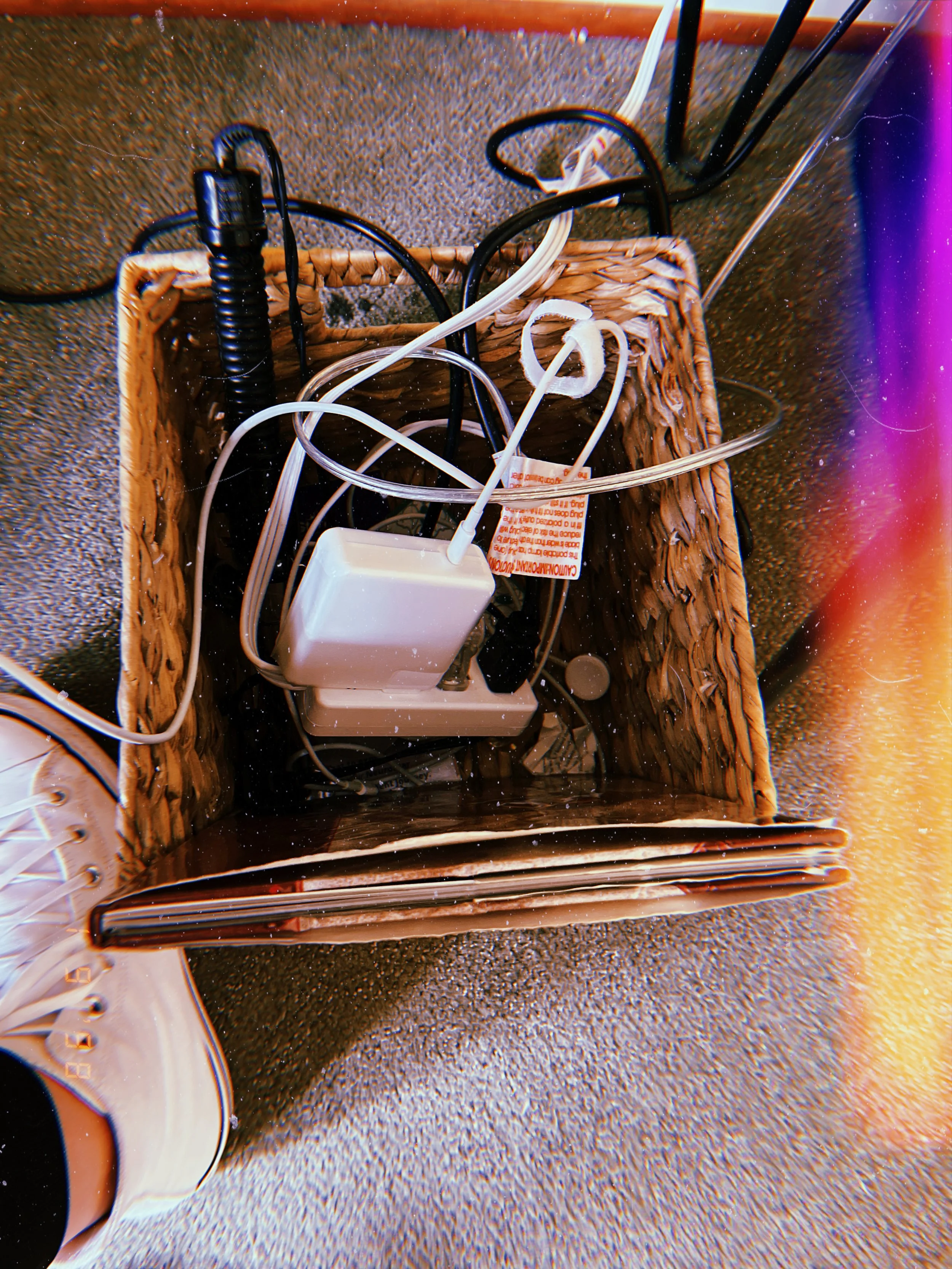
Emptying Baskets
Recently, while cleaning my house, I found myself feeling unexpectedly overwhelmed—not by clutter itself, but by how many baskets I had accumulated. Each one was filled with a mix of random items: papers, small objects, things without a clear home. They were meant to help things feel organized, yet standing there, I realized how many places I had created to set things aside rather than truly tend to them.
That moment became a quiet metaphor.
In psychological terms, baskets function much like containment. Containment is not a failure; it is often a necessary coping strategy. When life feels overwhelming, the nervous system wisely compartmentalizes. We set aside emotions, experiences, or decisions so we can keep functioning. Many people survive difficult seasons by doing exactly this.
Containment becomes challenging when it becomes permanent.
What is set aside without being integrated doesn’t disappear. It remains active in the background and can show up over time as fatigue, irritability, emotional heaviness, or a sense of being stuck. Much like physical baskets in a home, too many internal compartments can require more energy to maintain than we realize.
As I continued cleaning, what stood out was not just what was inside the baskets, but how many of them I no longer needed. The more baskets I had, the more work they created in the long run. This is often true emotionally as well: coping strategies that once protected us can eventually become sources of exhaustion.
One sign of growth and healing is recognizing increased capacity—the ability to stay present with more of our experience without becoming overwhelmed. This does not mean everything must be addressed at once. Some forms of containment remain appropriate and necessary depending on the season of life.
The reflective question shifts from Why do I have these baskets? to Do I still need them in this way?
Therapeutic work often involves discernment rather than accumulation. Fewer compartments can allow for greater integration, increased energy, and a deeper sense of internal coherence.
Sometimes the work is not creating more order, but allowing what has been held to finally be seen.